Why Is My Car Rattling? A Complete Guide to Car Rattling Noise
"Why is my car rattling?" is one of the most common questions drivers search when a car making a rattling noise catches them off guard. In almost every case, a rattling sound in a car comes down to one thing: something that used to be tight has come loose and is now vibrating against another part. What that "something" is depends entirely on when the rattling noise in the car happens and where it seems to come from. Record the sound below and let Carithm AI analyze the pattern, or read through the full breakdown of causes below.
The short answer: car rattling is almost always mechanical, not electrical — a loose heat shield, exhaust hanger, mount, bracket, or trim piece. Location and timing are what narrow it down to a specific part.
Common Ways Drivers Search This
- Why is my car rattling
- Why does my car make a rattling noise
- Car making rattling noise
- Rattling noise in car
- Rattling sound in car
- Car rattling, no idea why
🔊 Upload Your Car Rattling Sound
Record the rattling noise while your car is making it. AI sound analysis can help narrow down whether the noise is coming from the engine, exhaust, suspension, or interior components.
Carithm AI provides a probability-based analysis of possible causes. It does not replace a professional mechanical inspection.
Two Questions That Explain Most Car Rattling
| Question | Why It Matters |
|---|---|
| When does it happen — idle, accelerating, bumps, startup? | Different parts vibrate at different engine speeds and loads |
| Where does it seem loudest — dashboard, underneath, engine bay? | Narrows the rattle to a system: interior trim, exhaust, or drivetrain |
Answer both, and you've usually narrowed a car rattling noise down to two or three likely parts.
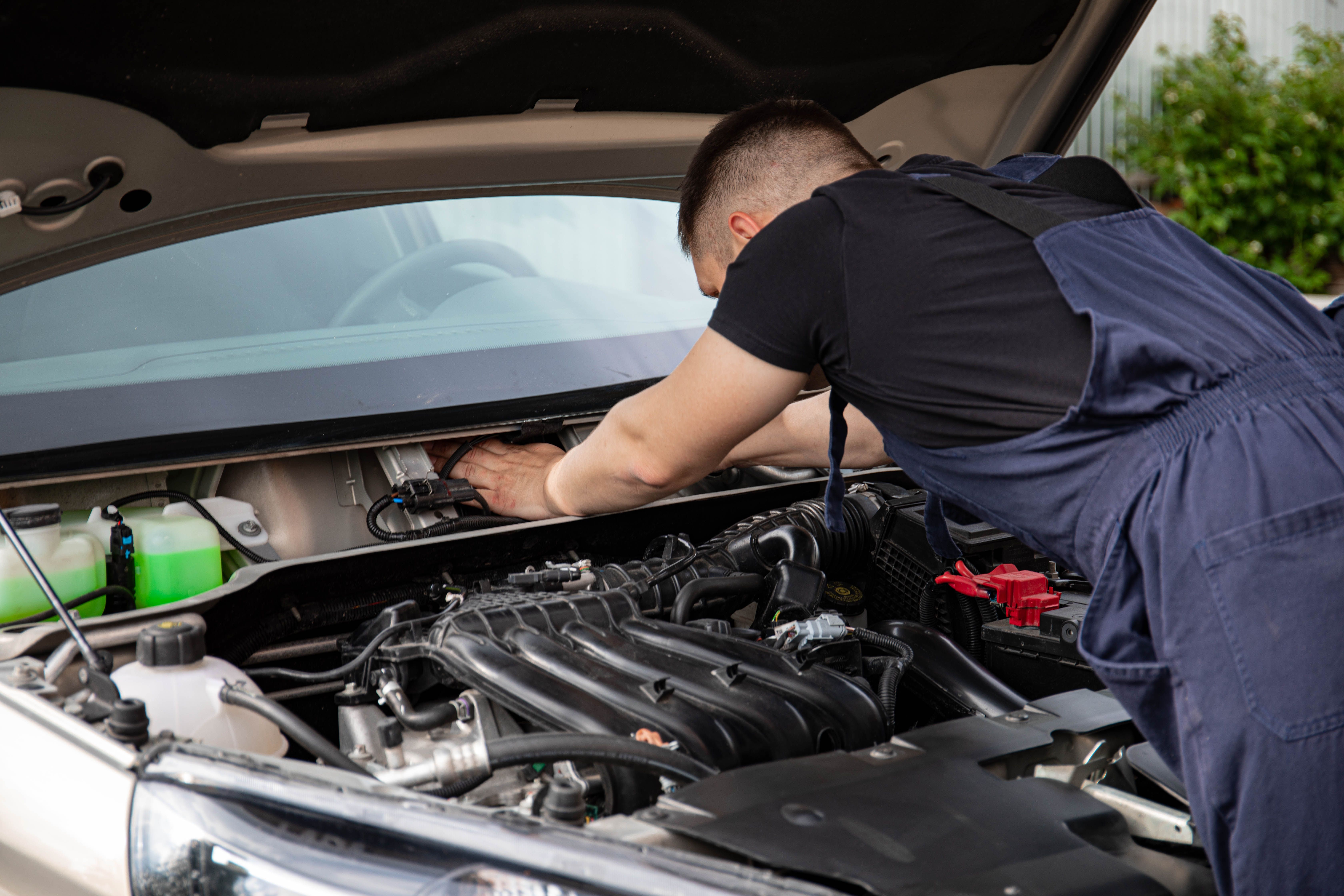
Match Your Rattle to a Scenario
Here's how the most common rattling scenarios break down. Click through to a dedicated deep-dive if one matches what you're hearing.
Rattling at idle, quiet while driving
Points to a loose heat shield, worn belt tensioner, or accessory bracket vibrating at a specific low engine speed. See the full car rattles when idle guide.
Rattling when accelerating
Usually exhaust movement, engine or transmission mounts, or in less common cases a catalytic converter. See the full car rattling when accelerating guide.
Rattling underneath the car
Most often a loose or corroded heat shield or exhaust hanger, though it can point to a failing catalytic converter or worn suspension part. If you can safely look underneath, check for anything visibly loose or hanging.
Rattling over bumps or when turning
Usually suspension: worn control arm bushings, tie rods, sway bar end links, or struts. Left alone, worn suspension parts can eventually affect steering and handling.
Dashboard or interior rattling
Typically loose trim clips, a cup holder, glovebox contents, or a worn window seal vibrating against the door frame. Rarely a safety issue.
Rattling at startup
A brief rattle on cold starts can be normal oil circulation delay, but a rattle that lingers or happens every time can point to worn valve lifters or early timing chain wear.
Engine rattling, idle or under load
The one to take most seriously. Low oil pressure, worn valve lifters, a stretched timing chain, or piston slap can all produce a metallic rattle from inside the engine itself.
Still not sure? Full breakdowns are also available for rattling with no check engine light and rattling when pressing the clutch. If it's a different sound entirely, compare it to a clicking noise, knocking noise, or grinding noise.
Is It Safe to Keep Driving?
Most rattles are annoying rather than dangerous, but a few signs mean you shouldn't wait for a convenient time to get it looked at:
- The rattle is getting louder or more frequent over just a few days
- You feel vibration through the steering wheel, brake pedal, or floor
- The noise changes noticeably when you brake, turn, or accelerate hard
- A warning light comes on at the same time
- The sound seems to be coming from underneath near the front wheels or steering components
A light, occasional rattle from trim or a heat shield is generally fine to drive on in the short term while you arrange an inspection. If any of the signs above apply, it's worth having a mechanic check it before doing much more driving.
What Will This Cost to Fix?
Treat these as ballpark U.S. estimates, parts and labor combined.
| Likely Cause | Typical Repair Cost Range |
|---|---|
| Heat Shield Repair or Replacement | $50 – $250 |
| Dashboard / Interior Trim Fix | $0 – $150 (often DIY) |
| Suspension Bushings, Links, or Mounts | $150 – $500 per side |
| Catalytic Converter Replacement | $950 – $2,500 |
| Timing Chain / Internal Engine Component | $500 – $2,000+ |
Actual costs vary by vehicle make, model, and labor rates in your area.
Questions About Why Cars Rattle
Why is my car rattling?
A car rattles when something loose vibrates against another part. The most common causes are a loose heat shield, exhaust hanger, engine or transmission mount, worn suspension bushing, or loose interior trim. Where and when the rattle happens narrows down which one it is.
Why does my car make a rattling noise?
A car making a rattling noise is usually mechanical parts loosening with age or vibration, such as heat shields, brackets, or hangers, rather than an electrical or sensor issue. That's part of why a rattling noise often won't trigger a warning light.
What does a rattling noise in a car mean?
A rattling sound in a car generally means a component has come loose enough to vibrate against a neighboring part. It can range from harmless, like a loose cup holder, to something worth prompt attention, like a failing catalytic converter or worn suspension part.
Is car rattling always serious?
No. Most car rattling is minor, tied to inexpensive parts like heat shields or trim clips. It becomes more of a concern when paired with vibration you can feel, a warning light, reduced power, or a noise that keeps getting louder.
How do I figure out where a rattling noise in my car is coming from?
Note when it happens (idle, accelerating, over bumps, turning, startup) and roughly where it seems loudest (dashboard, underneath, engine bay). Those two details are usually enough to narrow a car rattling noise down to a short list of likely parts.
Can I drive with a rattling noise?
A light, occasional rattle from trim or a heat shield is usually fine to drive on short-term. If it's paired with steering vibration, a warning light, or is getting louder, it's best to have it checked before driving further.
Other Rattle Scenarios
Want to check a different symptom? Visit the main audio diagnosis hub to browse all sound types, or head back to Carithm home to learn more about the platform.