Car engine problems can range from mild, barely noticeable vibrations to catastrophic, sudden power loss while driving. Recognizing the symptoms early—and understanding their underlying mechanical causes—can help you avoid expensive transmission or block repairs. In this guide, we explore the most common engine issues and how modern predictive tools like Carithm AI make diagnosis incredibly fast and painless.
Common Early Symptoms of Engine Trouble
Before a total breakdown occurs, your engine will heavily hint that something is wrong. Pay close attention if you experience:
- Loss of Power: Noticeable sluggishness during acceleration or failure to reach highway speeds.
- Rough Idling: The steering wheel shakes or the RPM needle bounces erratically when stopped.
- Knocking or Pinging: Metallic tapping noises coming from the engine block under load.
- Misfires: A stuttering or stumbling sensation, usually accompanied by a blinking Check Engine Light.
- Overheating: Temperature gauge creeping into the red zone or steam billowing from the hood.
Top 5 Engine Issues, Causes, and Fixes
1. Severe Engine Misfire

Symptoms: Jerky acceleration, aggressive shaking at idle, and a sharp decrease in fuel efficiency.
Root Causes: Typically, a misfire is traced back to a complete spark plug failure, a degraded ignition coil, or severely clogged fuel injectors restricting the air-fuel mixture.
The Fix: Connect an OBD-II scanner to extract the fault codes (like P0300 for a random misfire, or P0301 for cylinder 1). Plug these codes into Carithm AI to receive an immediate, step-by-step diagnostic tree tailored to your exact car model.
2. Engine Knocking or Pinging
Symptoms: Sharp, metallic rattling or tapping sounds that grow louder as you press the gas pedal.
Root Causes: Utilizing a fuel with too low of an octane rating, compromised engine timing, or significant carbon buildup mutating the combustion chamber's pressure.
The Fix: Empty the tank and fill up with premium, higher-octane fuel to see if the knocking vanishes. If the aggressive knocking persists, it’s highly indicative of a mechanical timing issue or internal rod knock that needs urgent professional attention.
3. Sudden Overheating
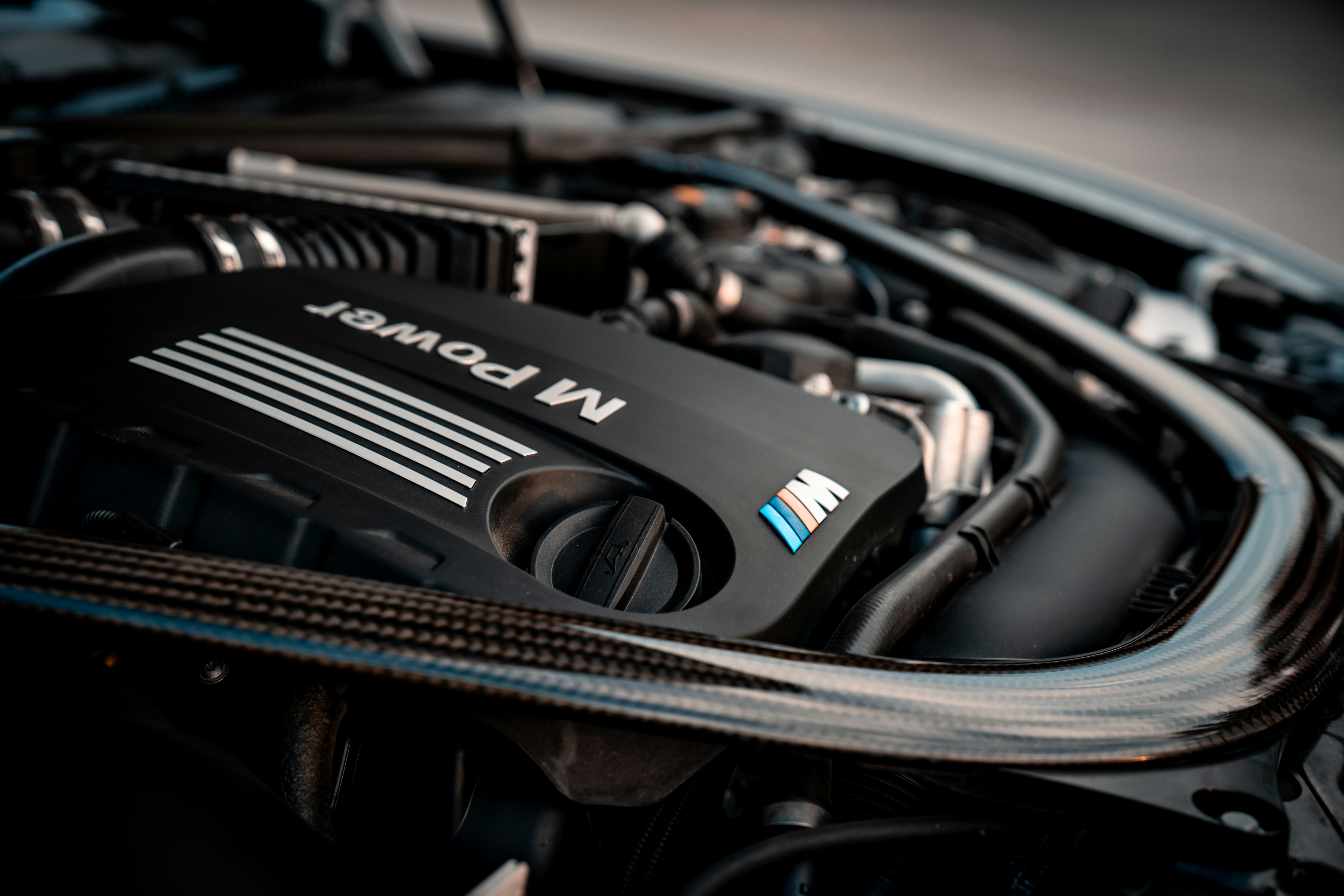
Symptoms: An illuminated high-temperature gauge warning, visible steam, or sweet-smelling coolant pooling under the vehicle.
Root Causes: Dangerously low engine coolant (antifreeze), a cracked radiator, a ruptured hose, or a failed mechanical thermostat stuck in the closed position.
The Fix: Never open a hot radiator cap. Allow the engine to cool, gracefully top off the coolant, and inspect the engine bay for drips. If overheating is chronic, an authorized mechanic will need to run a localized pressure test to identify invisible micro-leaks.
4. Rough or Bouncing Idle
Symptoms: The car shakes violently when at a stoplight, or the RPM gauge rhythmically jumps up and down without touching the accelerator.
Root Causes: Undetected vacuum system air leaks, a heavily soot-covered throttle body, a failing Idle Air Control (IAC) valve, or collapsed rubber motor mounts.
The Fix: Remove the air intake tube and thoroughly clean the throttle body flap with specialized solvent. If the physical shaking persists, carefully inspect the dark rubber vacuum hoses attached to the intake manifold for cracks or severe dry rotting.
5. Hard Start or No-Start Condition
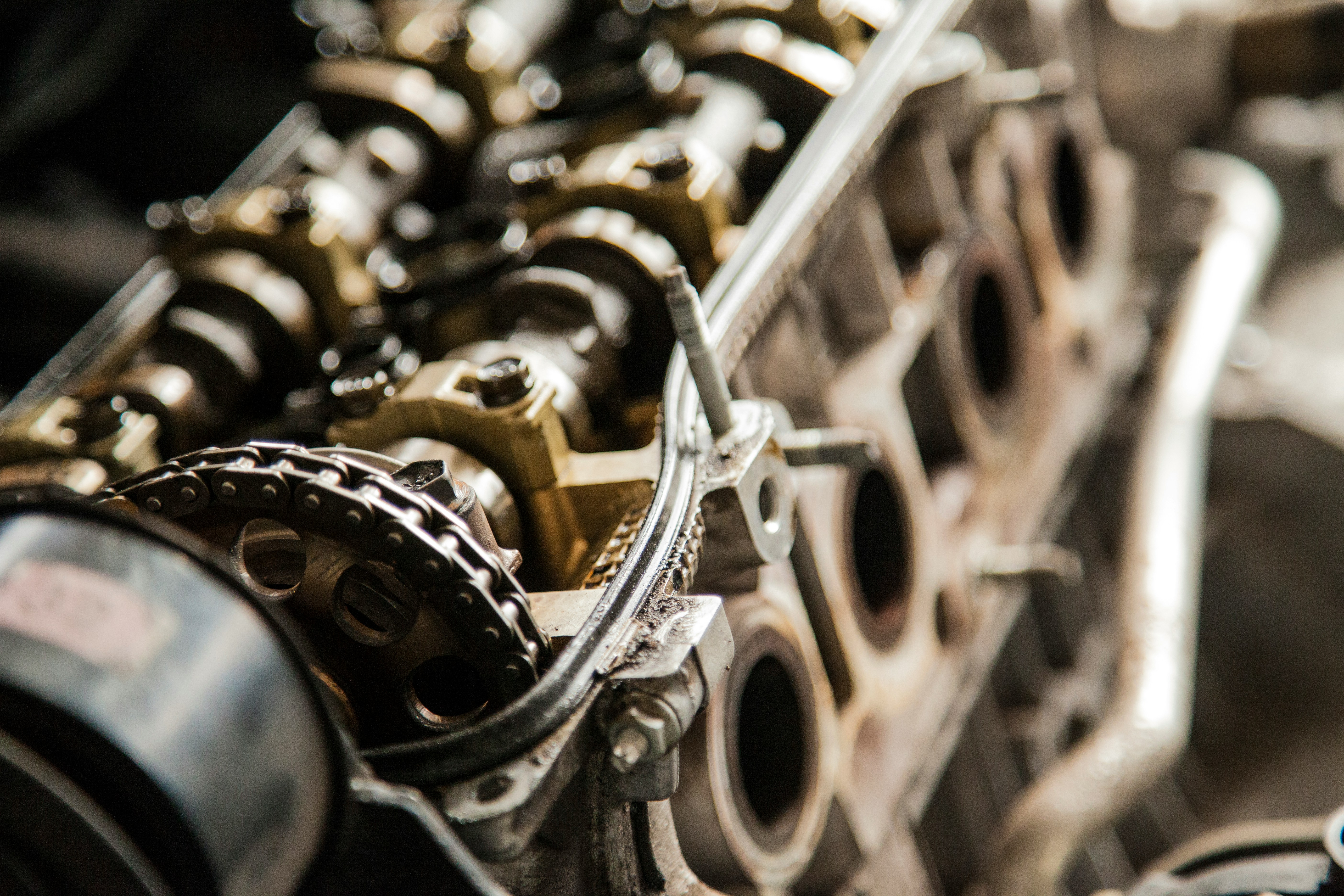
Symptoms: The engine cranks endlessly but refuses to fire up, or it requires an abnormally long cranking sequence to finally catch.
Root Causes: A dying battery lacking adequate Cold Cranking Amps (CCA), a failed crankshaft position sensor, or a completely clogged fuel pump/filter system.
The Fix: Start with the basics: rigorously test the battery voltage and ensure the fuel pump hums when you turn the key to the 'ON' position. If both are functional, leverage code-based diagnostics tools like Carithm AI to cross-examine sensor data without touching a wrench.
Preventative Maintenance: Protecting Your Investment
The vast majority of fatal engine problems can be entirely prevented through disciplined adherence to a strict maintenance schedule:
- Spark Plugs: Replace standard plugs every 30,000 miles (or iridium plugs every 100,000 miles).
- Fluid Levels: Visually check oil and coolant levels every time you fill up with gas.
- Oil Changes: Swap your engine oil and filter strictly every 5,000 to 7,500 miles, utilizing full synthetic oil for maximum internal protection.
- Warning Lights: Never ignore an illuminated Check Engine Light — it is the earliest warning system your car has.
Smart Diagnosis Tools Save Money
You no longer need to vaguely guess what's wrong with your engine block, potentially firing the "parts cannon" and wasting hundreds of dollars. Carithm AI utilizes aggregated real-world automotive data and deep-fault neural codes to confidently help you pinpoint the issue faster—with zero technical wizardry required. Just describe the auditory/visual symptoms or enter an OBD-II diagnostic code, and the engine returns highly-probable causes alongside practical repair pathways.