Car Squealing Noise? Upload Your Sound & Find the Possible Cause With AI
Hear a squealing sound from your car? Upload a short recording and Carithm AI analyzes the noise pattern to help identify possible causes like belts, pulleys, brakes, bearings, and engine components.
Many drivers search for answers like: why is my car squealing when I start it, why does my car squeal when accelerating, or why does my engine make a high-pitched noise. We built this tool to give you instant answers without the guesswork.
Upload Your Car's Squealing Sound
Upload a short audio recording of your car noise from your phone while the sound is happening. Our AI car sound analyzer examines acoustic patterns linked to:
What Carithm Can Analyze
- Serpentine belt squeal patterns
- Accessory pulley bearing sounds
- Brake squeal signatures
- Engine accessory noises
Stop driving now if you also smell burning rubber, see smoke, have a battery warning light, or your steering suddenly feels heavy. Full safety checklist ↓
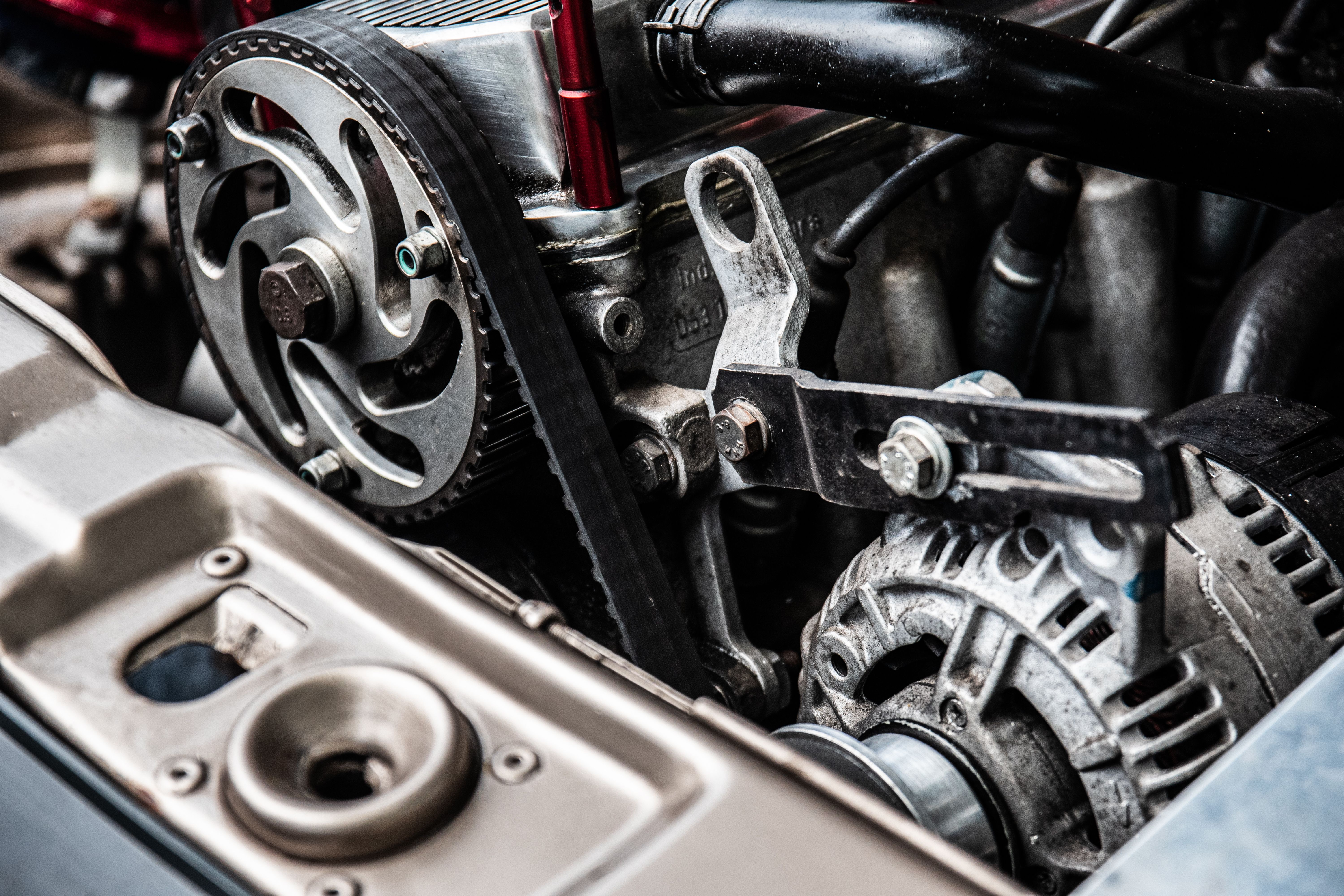
Why Is My Car Squealing?
Why does my car squeal when starting?
A squeal immediately after starting is commonly caused by a loose or worn serpentine belt, weak tensioner, or pulley issue. If it disappears after a few seconds, belt slip is a common suspect.
Why does my car squeal when accelerating?
A squeal that increases with RPM may indicate belt slip, a failing pulley bearing, alternator issue, or another accessory drive component.
Why does my car squeal when braking?
A squeal while braking often points toward brake pad wear indicators, brake dust, or brake hardware problems.
Why does my car make a high-pitched squealing noise?
High-pitched squealing is often associated with metal-on-metal contact, such as completely worn brake pads, or a severely slipping, glazed rubber belt running over metal pulleys.
Why does my car squeal only when cold?
Cold-only squealing is commonly related to belts and tension systems because rubber components are stiff and behave differently before warming up.
What Different Car Squealing Sounds Usually Mean
Cold start squeal:
Usually indicates a belt slip or tension issue.
High pitched continuous squeal:
Often related to a bearing or pulley failing.
Squeal when braking:
Usually the built-in brake wear indicator warning you it's time for new pads.
Squeal that follows engine RPM:
Often points to an accessory drive issue like a water pump or alternator.
How Much Does It Cost To Fix a Squealing Car Noise?
Knowing the rough price range takes some of the fear out of the "how bad is this" question. Treat these as ballpark estimates (parts and labor combined).
| Repair Type | Estimated Cost Range |
|---|---|
| Serpentine belt replacement | $50 - $250 |
| Belt tensioner replacement | $150 - $500 |
| Pulley bearing replacement | $150 - $600 |
| Brake pad replacement | $150 - $800 |
| Alternator replacement | $400 - $1000 |
Can You Drive With a Squealing Car?
It depends on the cause. Some squealing noises are minor warnings, while others can indicate a component that may fail.
- Stop driving if you notice smoke, burning rubber smell, overheating, battery warning light, or sudden steering difficulty.
- A brief squeal during startup may be less urgent, but it should still be checked if it continues.
- A loud constant squeal should be investigated before it turns into a breakdown.
Other Car Noises You Can Diagnose
Is your car making a different sound? Use Carithm to check these common noise patterns:
Questions People Ask When Their Car Is Squealing
Is it dangerous to drive with a squealing belt?
Usually not for a short trip, but a slipping belt can fail without warning and take your power steering or alternator with it. If it only squeals briefly on cold starts you likely have some time; if it's loud and constant, get it checked soon.
Can a squealing noise mean my car is about to break down?
On its own, rarely. Squealing is usually a warning sign, not a breakdown in progress. It becomes urgent if it's paired with smoke, a burning smell, a battery warning light, or the steering suddenly feeling heavy.
Can I still drive to a mechanic if my car is squealing?
In most cases yes, as long as none of the stop-driving warning signs above are present. Drive gently, avoid high RPM, and get it looked at as soon as you reasonably can.
How urgent is a car squealing noise?
It depends on when it happens. Brief squeals on cold starts are usually low urgency. Squealing that gets louder, happens constantly, or occurs while braking is higher urgency and worth checking within a day or two.
Can a squealing noise come from the engine?
Yes. Belts, pulleys, alternators, water pumps and tensioners can all produce engine squealing sounds.
Can brakes make a squealing noise?
Absolutely. Many brake pads include wear indicators designed to squeal when replacement is needed.
Can a low oil level cause squealing?
Typically, no. Low engine oil usually results in ticking, knocking, or clunking sounds due to internal metal friction. Squealing almost exclusively points to belts, pulleys, or brakes.
Why does my car squeal only in the morning?
Morning squeals (cold starts) happen because rubber belts and metal pulleys contract when cold, and morning dew adds moisture. Once the engine warms up, the belt expands and grips better, stopping the squeal.
Why does my car squeal when I turn the steering wheel?
This is a classic symptom of a slipping power steering belt or a struggling power steering pump. Turning the wheel—especially to the extremes—puts maximum load on the pump, causing a weak belt to slip and squeal.
Why is my car making a squeaking noise but no warning light?
Most components that squeal, like a serpentine belt, tensioner pulley, or brake pad wear indicator, are purely mechanical. They don't have electronic sensors to trigger a dashboard warning light.